Britain’s Buildings Were Built For The Wrong Climate And Businesses Are Running Out Of Time To Retrofit
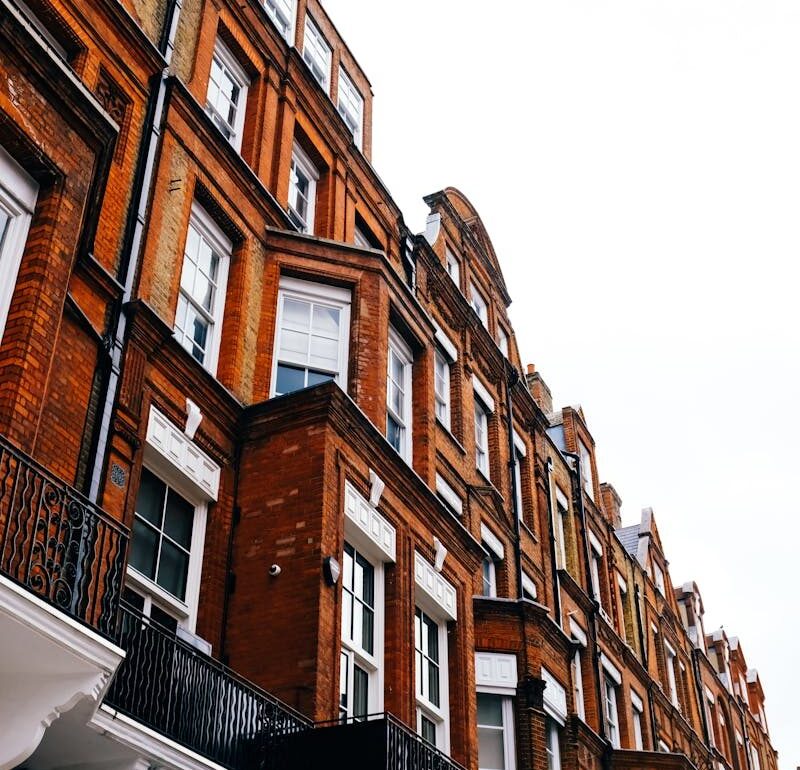
Almost Half Of London Homes Were Built Before The End Of The Second World War, Exposing The Scale Of The Retrofit Challenge
As CCC Warns Heatwaves Could Exceed 40C Across The UK By 2050, SaveMoneyCutCarbon Says Retrofit Must Shift From Carbon Reduction To Business Resilience
The UK’s ageing building stock risks becoming one of the country’s biggest climate resilience challenges unless businesses move faster to retrofit offices, hospitals, care homes, schools, hospitality venues and commercial estates for a hotter, more volatile climate, SaveMoneyCutCarbon, the UK’s largest integrated decarbonisation delivery platform, has warned. The warning follows a major report from the Climate Change Committee, which found that the UK was “built for a climate that no longer exists” and must urgently adapt to rising temperatures, water pressure, flood risk and extreme weather. According to the report, heatwaves are expected to exceed 40C in all parts of the UK by 2050, while around nine in ten UK homes are likely to overheat. The CCC also warned that extreme heat is now the most immediate climate risk to life, with care homes, hospitals and schools among the buildings requiring urgent cooling and adaptation measures.
In London, 27.6% of homes were built before 1919, while a further 22.3% were built between 1919 and 1944, meaning almost half of the capital’s housing stock predates the end of the Second World War. Much of it was designed before modern energy, ventilation and cooling standards, leaving buildings increasingly exposed to overheating, inefficient energy use and costly retrofit as temperatures rise.
SaveMoneyCutCarbon says the findings should act as a warning for businesses as well as policymakers, with climate resilience now becoming an immediate operational issue. Poorly performing buildings risk driving up energy use, cooling demand, water costs and pressure on already stretched infrastructure. The challenge is particularly acute because many UK buildings were designed around heat retention rather than heat resilience. As temperatures rise, businesses that rely on inefficient heating, ventilation, lighting, cooling, water and building-management systems risk entering a cycle where hotter summers drive up energy use, costs and carbon emissions at the same time as firms face growing pressure to reduce consumption.
Mark Sait, CEO of SaveMoneyCutCarbon, said:
“Britain’s buildings were designed for a climate that is disappearing, and businesses cannot treat that as a future problem. Hotter summers will drive up cooling demand, water pressure and energy use unless organisations retrofit now. Efficiency is the fastest win, cutting waste, costs and carbon while making buildings more resilient.”
As climate volatility moves further into the UK mainstream, SaveMoneyCutCarbon says the next phase of net zero delivery must focus on the practical condition of the buildings people actually live, work, study and receive care in. Without faster retrofit, the businesses and public services most exposed to rising heat will be left trying to manage tomorrow’s climate with yesterday’s infrastructure.
About SaveMoneyCutCarbon
SaveMoneyCutCarbon is one of the UK’s largest integrated decarbonisation delivery platforms, helping organisations reduce energy use, water consumption and carbon emissions through a single end-to-end model spanning audit, engineering, financing, nationwide installation and verified performance measurement. Founded in 2012 and headquartered in Bury St Edmunds, the business has delivered more than 2,000 energy, water and carbon reduction projects across the UK. SaveMoneyCutCarbon works with major financial institutions, utilities and corporate organisations, including Barclays and Wave Utilities, alongside a broader network of strategic partners across the sustainability and finance sectors. Barclays invested in SaveMoneyCutCarbon in 2020 as the first deployment from its £175m Sustainable Impact Capital programme. The two organisations now collaborate to support Barclays Corporate Banking clients in reducing emissions, lowering energy costs and accelerating their transition to net zero. SaveMoneyCutCarbon has also delivered award-winning sustainability projects for the NHS and continues to support organisations nationwide in achieving measurable environmental and financial impact.